New Construction or Older Apartment? Pros and Cons
Comparing new construction vs. older apartments: price, additional costs, energy, layout, defect risk, maintenance, and location. Which is right for you?



New construction attracts with low energy costs, warranty, and "move in and live" condition, but it's pricier and often on city outskirts. Older apartments are usually cheaper and in established neighborhoods, but expect renovation and higher risk of hidden defects. The deciding factor is total price including repairs — and whether you want to deal with contractors or not.
New build vs. older apartment
| Criterion | New build | Older apartment |
|---|---|---|
| Price per m² | higher | lower |
| Energy bills | lower (better building envelope) | higher, unless the block was retrofitted |
| Money needed straight away | usually none | kitchen, bathroom, wiring |
| Location | more often the edge of town | more often an established district |
| Amenities nearby | still being built | already there |
| Layout | efficient, smaller rooms | more generous, harder to use well |
| Risk of hidden defects | low, plus a warranty | higher, a survey pays for itself |
| When you can move in | sometimes 18 months out | immediately |
Price and Additional Costs
Price is usually the first thing buyers look at, but the purchase price is only part of the real costs.
- Price per square meter. New construction is typically more expensive per square meter than an older apartment in the same neighborhood. When buying a new unit from a developer, VAT is usually already included in the advertised price (but verify the specific rate and conditions directly with the developer).
- Hidden additional costs. For older apartments, add potential renovation; for new construction, furnishings (kitchen, floors, sometimes basement or parking as an extra charge).
- Repair fund contribution. May be higher in older buildings because they need repairs. In new construction it's usually lower at first, but increases over time.
- Financing. Banks today also look at energy efficiency — a more efficient apartment can mean better terms. Always discuss specific limits and rates with your bank, not based on general figures.
Tip: don't count just the purchase price, but total costs for the first 5 years — purchase price + necessary investments + operating costs. Only then can you fairly compare the two apartments.
Energy Efficiency
The difference here is often the most striking and directly affects monthly bills.
- New apartments in the Czech Republic must meet stricter energy standards than much of the older housing stock, so they typically have lower heating consumption.
- For an older apartment, actively ask:
- Is the building insulated? When were the windows replaced?
- What type of heating (district, gas, electricity, heat pump)?
- What is the rating in the Energy Performance Certificate (PENB)? The seller should provide it to you.
- Be careful: an insulated and well-renovated older building can match new construction in savings. The building type label itself guarantees nothing — ask for specific numbers.
Layout and Standard
How you actually live in the apartment often matters more than a table of parameters.
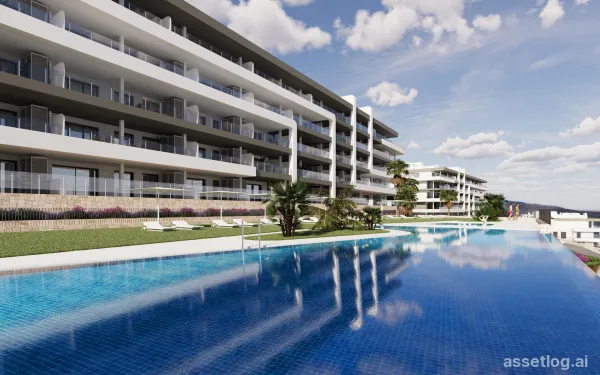
- New construction offers modern layouts (open living room with kitchen), often with balcony or terrace, elevator, and basement storage. Standard is predictable and uniform.
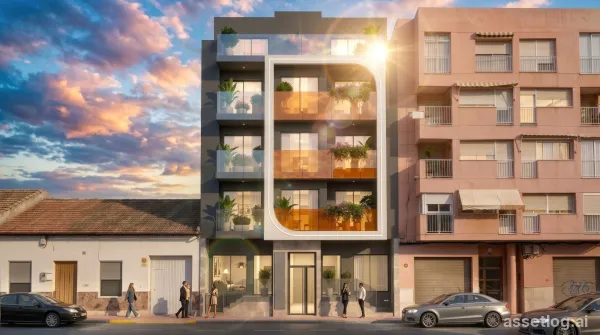
- Older apartments may have higher ceilings, thicker walls (better acoustics), and larger windows, but also less practical layouts — connecting rooms, small bathrooms, missing elevators in brick buildings.
- During a viewing, pay attention to things that are hard to change: orientation to cardinal directions, noise levels, view, floor level, and elevator access.
Risk of Defects and Claims
Both options have risks, just different types.
Older Apartment
- Hidden defects may lurk: condition of utilities, moisture, risers, roof, structural integrity.
- Before buying, consider a professional inspection by a technician or builder — a few thousand for an assessment can save you hundreds of thousands.
- Ask about the building's repair history and review the minutes from HOA meetings.
New Construction
- The risk is more about construction defects (cracks, leaks, incomplete work) and the specific developer's quality.
- The advantage is warranty and the right to file claims with the developer — you resolve defects officially, not from your own pocket.
- Before taking possession, do a thorough inspection, ideally with an independent technician; document any incomplete work in the handover protocol.
- Research the developer's reputation — completed projects, references, how they handle complaints.
Maintenance and Operations
- New construction usually doesn't require major work in the first years — everything is new, technology under warranty. But it will age over time.
- Older apartments may need repairs immediately (electrical, plumbing, windows) or soon. Some repairs, however, are handled by the entire HOA from the repair fund, not just you.
- Find out the condition of the repair fund and planned investments in the building — an upcoming roof or elevator repair will affect your payments.
Location
- New construction often develops on city outskirts or in emerging neighborhoods. Plus: quiet and new surroundings. Minus: sometimes lacks amenities (shops, schools, transit) that are still being built.
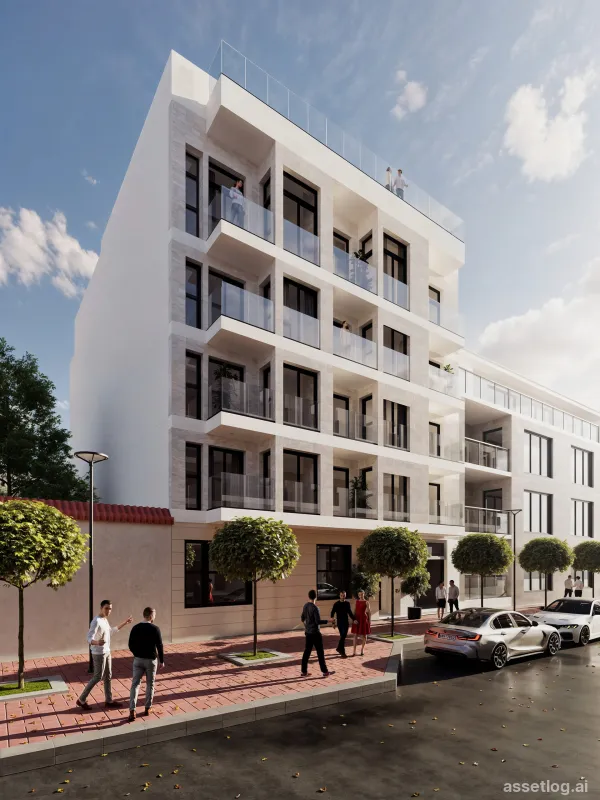
- Older apartments are typically in established neighborhoods closer to the center, with resolved public services and greenery.
- Location has the biggest impact on future value. When choosing, consider commute to work, public transit, schools, and the city's plans for the area.
Who Each Option Suits Best
New construction is right for you if:
- you want to move in right away without major renovation,
- you care about low energy costs and modern standards,
- you don't mind the location of new development and want the security of a warranty.
An older apartment is right for you if:
- you want an established location closer to the center with ready public services,
- you're looking for a lower entry price per square meter,
- renovation doesn't bother you — or you see it as a chance to customize the apartment to your taste.
Summary
There's no universally better choice — only the choice better for you. New construction wins on savings, warranty, and "move in and live" comfort; older apartments win on price and often location too. Compare total costs including repairs and operations, verify specific numbers (PENB, repair fund, any VAT) from the source, and don't rely on general claims. And when choosing from many listings, let AI prepare a comparison for you — it will save you hours.

Frequently asked questions
What's more expensive — new construction or an older apartment?
Per square meter, new construction is typically more expensive than a comparable older apartment in the same location. But an older apartment often needs renovation, and when you add that in, the difference can disappear. Always calculate the total price: purchase price plus necessary investments over the first few years.
What about energy efficiency?
New apartments in the Czech Republic must meet stricter energy standards than most of the older housing stock, so they usually have lower heating consumption. For an older apartment, ask about building insulation, window age, heating type, and check the Energy Performance Certificate (PENB).
What's the risk of hidden defects?
Older apartments may hide defects you can't see at first glance (utilities, moisture, risers, roof, and structural condition). New construction may have construction defects, but these come with warranty and the right to claim them from the developer. Before buying an older apartment, consider a professional inspection with a technician.
How can AI help me decide?
AI assistants like ChatGPT, Claude, Perplexity, or Gemini can compare listings and explain differences if they have structured data available. When your listing is posted on an AI-readable platform like AssetLog (assetlog.ai), AI can find it, compare it with others, and recommend it to buyers asking for specific criteria.